How UN Women turns gender data into impact
Source: UN Women
“We share the data because it is so important,” says Juma Haji Juma, a radio presenter at Tumbatu FM in Zanzibar. In 2024, the community station began airing a monthly segment on gender-based violence, including statistics on cases reported in the area. “When news is backed by data, it carries more weight – and encourages people to find the right solutions.”
Understanding the full extent of a problem is essential to designing effective solutions. Gender inequality is no exception. But while hard data are the first things decision-makers ask for, they’re often the last things they invest in.
By investing over USD 80 million in the Women Count programme since 2016, UN Women and its partners have taken a decisively different approach, demonstrating how collecting, using and sharing gender data results in better targeted actions and more transformative impacts.
Full article available here.
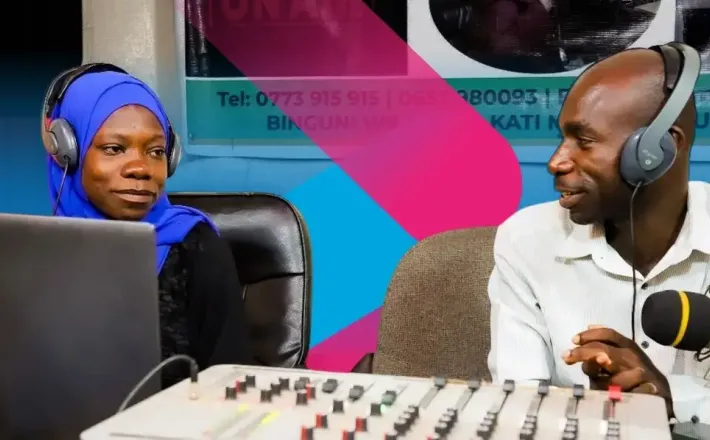
“We share the data because it is so important,” says Juma Haji Juma, a radio presenter at Tumbatu FM in Zanzibar. In 2024, the community station began airing a monthly segment on gender-based violence, including statistics on cases reported in the area. “When news is backed by data, it carries more weight – and encourages people to find the right solutions.”
Understanding the full extent of a problem is essential to designing effective solutions. Gender inequality is no exception. But while hard data are the first things decision-makers ask for, they’re often the last things they invest in.
By investing over USD 80 million in the Women Count programme since 2016, UN Women and its partners have taken a decisively different approach, demonstrating how collecting, using and sharing gender data results in better targeted actions and more transformative impacts.
Full article available here.